
- 0.1 Introduction – Discovering the Fascinating Origin of Clothing
- 0.2 The Beginning of the Origin of Clothing – A Step Toward Survival
- 0.3 The Birth of Human Creativity Through Clothing
- 0.4 Climate Change and the Evolution of Early Clothing
- 0.5 The First Materials – Nature’s Gift to Humanity
- 0.6 The Symbolism of Early Attire
- 0.7 Conclusion – The Humble Beginnings of a Global Phenomenon
- 1 The Rise of Civilizations – How Ancient Cultures Defined the Origin of Clothing
- 1.1 The Transformation from Necessity to Civilization
- 1.2 Ancient Egypt – The Birthplace of Elegance
- 1.3 Mesopotamia – Weaving the First Fabric Empires
- 1.4 The Indus Valley Civilization – Early Craftsmanship and Simplicity
- 1.5 Ancient China – The Silk Revolution
- 1.6 Greece and Rome – Draped in Civilization
- 1.7 Clothing and Spiritual Symbolism in the Ancient World
- 1.8 The Role of Trade and Cultural Exchange
- 1.9 The Birth of Tailoring and Early Fashion Design
- 1.10 The Power of Color and Symbolism
- 1.11 Conclusion – Civilization Woven in Fabric
- 1.12 The Middle Ages – Clothing as a Mirror of Class and Faith
- 1.13 The Role of Women’s Fashion in Medieval Society
- 1.14 The Influence of Trade and Exploration
- 1.15 The Renaissance – The Rebirth of Fashion and Identity
- 1.16 Italian Renaissance – The Artistry of Elegance
- 1.17 French Renaissance – Birth of the Modern Fashion Industry
- 1.18 English Renaissance – Royal Splendor and Symbolism
- 1.19 Fabrics, Dyes, and Innovation of the Era
- 1.20 Tailoring and the Birth of Fashion Guilds
- 1.21 The Cultural Power of Clothing in Renaissance Society
- 1.22 Conclusion – The Golden Thread of Civilization
Introduction – Discovering the Fascinating Origin of Clothing
The origin of clothing is one of humanity’s most remarkable stories — a tale of creativity, adaptation, and identity. Long before fashion runways, luxury fabrics, or global textile industries, our ancestors wrapped themselves in nature’s materials for warmth, protection, and survival. But what started as a necessity soon transformed into an art form — one that reflects our evolution, culture, and sense of self.
The story of how clothing began is not just about covering the body — it’s about human innovation. It reveals how people in different regions, climates, and eras used their imagination to craft garments that not only kept them alive but also communicated power, beauty, and belonging.
This exploration into the origin of clothing takes us back over 100,000 years, through icy caves, scorching deserts, and royal courts — tracing how threads of survival evolved into symbols of civilization.
Best clothing store in Tiruvottiyur
The Beginning of the Origin of Clothing – A Step Toward Survival
To understand the origin of clothing, we must go back to a time when humans faced harsh climates and unpredictable environments. Anthropologists believe that early humans began using animal skins, leaves, and tree bark to cover their bodies as early as 100,000 BCE. This wasn’t just about modesty — it was about staying alive.
Clothing emerged as a powerful survival tool. In cold regions, early humans wrapped themselves in fur and hides to protect against freezing temperatures. In tropical areas, lightweight plant fibers were used to shield skin from the sun. This shows that the origin of clothing was deeply connected to geography and environment.
The first clothes were handmade without tools — simple coverings made from what nature provided. Eventually, with the discovery of tools like bone needles and scrapers, early humans began sewing and shaping animal skins more precisely. This marked the first step toward organized clothing design.
Best clothing store in Tiruvottiyur
The Birth of Human Creativity Through Clothing
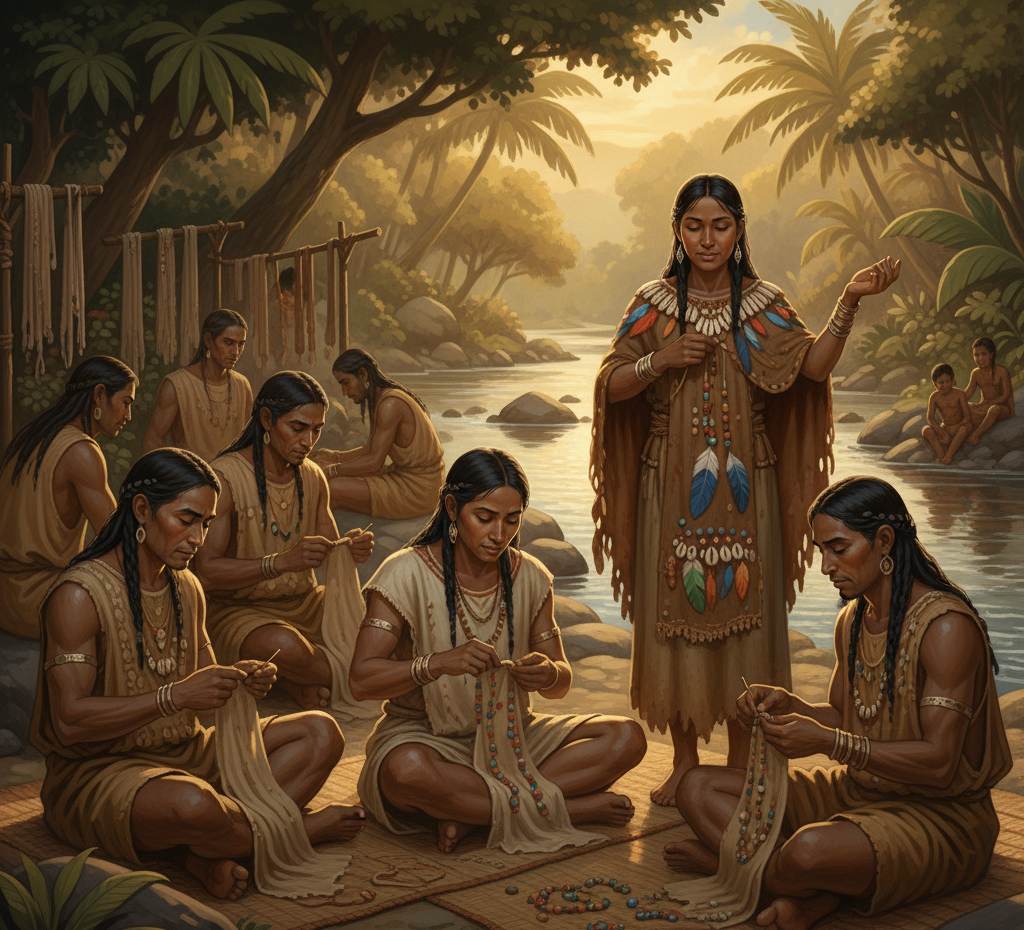
The origin of clothing is also the birth of art and expression. Once survival needs were met, people began decorating their garments with shells, feathers, and beads. Cave paintings and archaeological findings suggest that even primitive tribes used clothing to display identity, rank, and emotion.
For example, early African tribes used colorful clay and dyes to decorate skins and fibers. In ancient Europe, fur garments often signified strength and hunting skill. In the Arctic, indigenous peoples crafted intricate designs into their fur clothing, combining beauty with practicality.
These early steps transformed clothing from mere protection to personal expression, setting the foundation for what we now call fashion.
Best clothing store in Tiruvottiyur
Climate Change and the Evolution of Early Clothing
Another major influence on the origin of clothing was climate change. During the Ice Age, temperatures dropped drastically, forcing humans to adapt or perish. This period saw the refinement of clothing — thicker layers, tighter stitching, and the creation of tools for tailoring animal hides.
Scientific studies show that the invention of clothing helped early humans migrate and settle in new territories. By mastering the art of insulation, humanity could explore colder regions, leading to the expansion of civilizations.
In essence, the origin of clothing played a key role in human migration, survival, and population growth — a silent but powerful force behind our global evolution.
Best clothing store in Tiruvottiyur
The First Materials – Nature’s Gift to Humanity
Before the rise of fabrics, our ancestors relied on the Earth’s natural resources. The earliest materials used in the origin of clothing included:
- Animal hides and fur: Used for warmth and protection in cold climates.
- Tree bark and leaves: Softened and layered to form coverings in tropical regions.
- Grass and reeds: Woven into mats and skirts in early African and Asian cultures.
- Feathers and shells: Added as decorations or symbols of status.
Over time, these materials evolved into woven textiles. Evidence of weaving dates back nearly 27,000 years, proving that humans were spinning fibers long before recorded history.
Best clothing store in Tiruvottiyur
The Symbolism of Early Attire
Clothing quickly became more than physical protection — it turned into a language of symbols. In some tribes, specific animal furs represented power or divine connection. In others, colors were used to signify marital status, rank, or role within the community.
The origin of clothing intertwined with social and spiritual beliefs. Garments became offerings to gods, tokens of bravery, and expressions of love. The link between what people wore and who they were began here — a tradition that continues in modern fashion.
Best clothing store in Tiruvottiyur
Conclusion – The Humble Beginnings of a Global Phenomenon
From animal skins to woven fabrics, from caves to kingdoms, the origin of clothing reflects humanity’s ability to adapt, innovate, and express. It started as a necessity but became an art, an identity, and a universal language that connects us all.
As we continue this journey in the next part, we’ll explore how ancient civilizations — from Egypt and Mesopotamia to India and China — turned simple garments into sophisticated symbols of culture and power.
Best clothing store in Tiruvottiyur
The Rise of Civilizations – How Ancient Cultures Defined the Origin of Clothing
The Transformation from Necessity to Civilization
The origin of clothing took a remarkable turn as humanity transitioned from nomadic tribes to organized civilizations. Early societies not only wore clothes for protection but also as a symbol of culture, power, and progress.
In Mesopotamia, Egypt, India, and China, garments became more refined and purposefully designed. People began weaving natural fibers into cloth, using dyes to create vibrant colors, and developing distinctive styles that represented class and tradition.
This era marks the birth of fashion identity — when clothes started telling stories of religion, gender, status, and occupation.
Best clothing store in Tiruvottiyur
Ancient Egypt – The Birthplace of Elegance
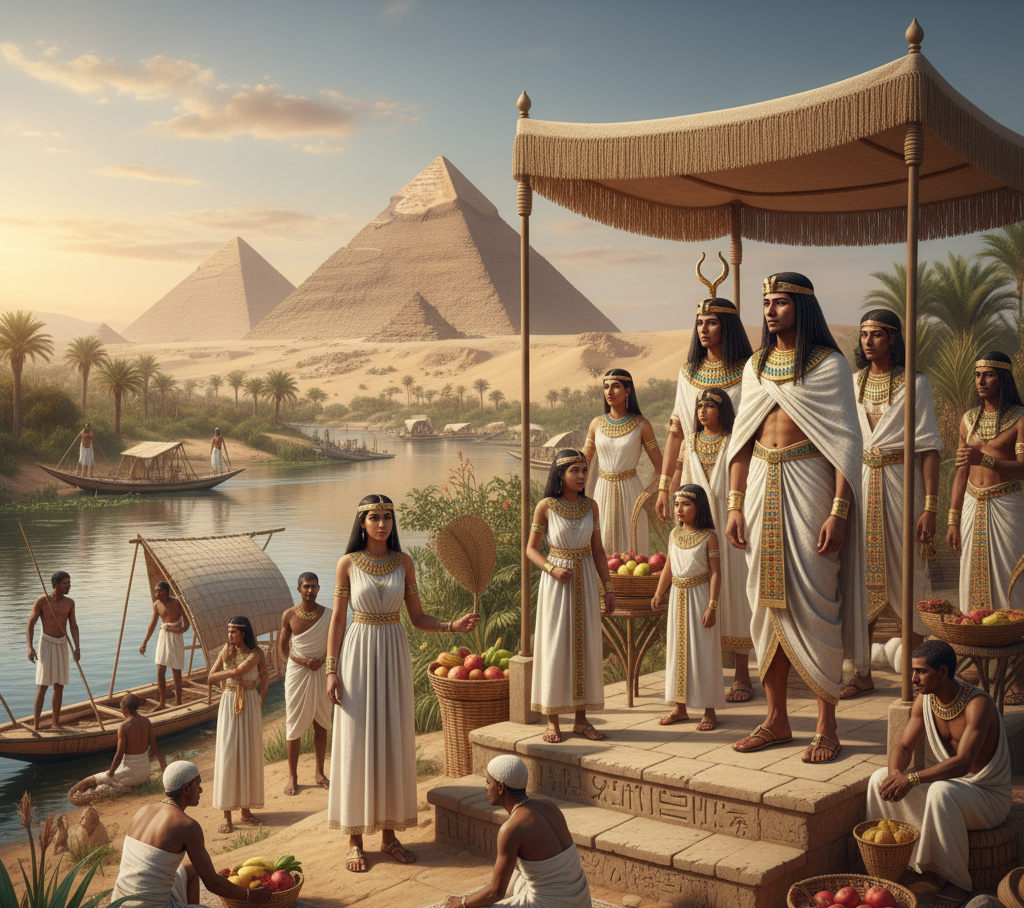
Egypt stands as one of the most influential cultures in the origin of clothing. Located along the Nile River, the Egyptian civilization thrived in hot climates, influencing the choice of lightweight and breathable materials.
Linen, made from flax plants, became the foundation of Egyptian attire. It was soft, durable, and perfectly suited for the desert heat. Men typically wore kilts known as shendyt, while women wore long, pleated dresses called kalasiris.
Clothing also reflected spiritual and social hierarchy. Pharaohs and nobles adorned themselves with gold jewelry, elaborate headdresses, and embroidered fabrics. Commoners, on the other hand, wore simpler designs but maintained cleanliness as a spiritual principle.
For Egyptians, the origin of clothing was not just a story of necessity — it was a reflection of purity, grace, and divine connection.
Best clothing store in Tiruvottiyur
Mesopotamia – Weaving the First Fabric Empires
In Mesopotamia, located between the Tigris and Euphrates rivers, the origin of clothing evolved with one of humanity’s earliest textile revolutions. People here invented the loom, which allowed for systematic weaving of fibers like wool and flax.
Both men and women in Sumer and Babylon wore skirts and shawls made from wool, often fringed or tasseled for decoration. The wealthy used colored dyes extracted from plants and insects, symbolizing their social position.
Mesopotamian garments were functional yet artistic — showcasing how clothing became a marker of innovation and civilization. The loom, an invention born in this region, remains one of the most significant milestones in the history of fashion.
Best clothing store in Tiruvottiyur
The Indus Valley Civilization – Early Craftsmanship and Simplicity
In South Asia, the Indus Valley Civilization (modern-day India and Pakistan) played a key role in the origin of clothing through its use of cotton, one of the earliest known plant-based textiles.
Excavations in Harappa and Mohenjo-Daro revealed spindles, needles, and dyeing equipment, proving that textile making was already a well-developed craft.
Men commonly wore waistcloths or loincloths, while women draped themselves in long fabrics resembling modern sarees. The simplicity of these garments was balanced by the sophistication of their designs — often dyed and patterned beautifully.
This region introduced textile artistry and fabric draping techniques that influenced generations of fashion across Asia and beyond.
Best clothing store in Tiruvottiyur
Ancient China – The Silk Revolution
No story about the origin of clothing is complete without China’s groundbreaking contribution: silk.
According to ancient legend, Empress Leizu discovered silk when a cocoon fell into her tea, unraveling a fine, shimmering thread. Whether myth or truth, China’s mastery of silk production transformed global trade and fashion forever.
By 3000 BCE, silk was already a symbol of elegance and prestige. The Chinese perfected spinning, weaving, and dyeing processes, leading to the creation of the Silk Road, which spread silk garments across continents.
In ancient China, clothing represented social order — the emperor’s robes featured dragons, while scholars and peasants had distinct dress codes. The origin of clothing here took a leap from practicality to imperial artistry, shaping centuries of fashion evolution.
Best clothing store in Tiruvottiyur
Greece and Rome – Draped in Civilization
The classical civilizations of Greece and Rome elevated clothing to a new cultural symbol. In Greece, garments such as the chiton and himation were made from lightweight linen or wool, designed for both comfort and grace.
Romans adopted similar draped garments like the toga and stola, turning clothing into a representation of citizenship, virtue, and dignity. Bright dyes, jewelry, and intricate folds distinguished the elite from the commoners.
The origin of clothing in these civilizations reflected philosophy — the harmony of body, mind, and soul expressed through design and proportion. Draped clothing emphasized movement and form, influencing art, sculpture, and aesthetics for millennia.
Best clothing store in Tiruvottiyur
Best clothing store in Tiruvottiyur
Clothing and Spiritual Symbolism in the Ancient World
In ancient times, clothes were not just practical — they were deeply spiritual. Egyptians saw white linen as a symbol of purity; Hindus viewed fabric draping as a sign of grace; Chinese colors represented balance and destiny; Greeks associated clothing with divine beauty.
Across civilizations, garments were linked to rituals, gods, and moral codes. Priests, kings, and warriors all wore special attire to signify their sacred roles. The origin of clothing was as much about the soul as it was about the body.
Best clothing store in tiruvottiyur
The Role of Trade and Cultural Exchange
As trade routes developed, textiles became one of the world’s first commodities. The exchange of silk, wool, and cotton connected continents and gave birth to global fashion trends even in ancient times.
The origin of clothing evolved into a shared human story — where Egyptian linen reached Greece, Chinese silk adorned Roman nobles, and Indian cotton clothed Persian kings.
This early globalization of textiles not only shaped fashion but also fueled economic growth and cultural exchange across the world.
The Birth of Tailoring and Early Fashion Design
As weaving and spinning advanced, so did tailoring — the art of shaping fabric to fit the body. In ancient Egypt and Mesopotamia, early tailors began cutting and stitching garments, moving away from draped fabrics toward fitted clothing.
Tailors became respected artisans, contributing to the refinement of the origin of clothing into structured attire. Decorative embroidery, beads, and dyes transformed garments into personalized creations, paving the way for individual style.
The Power of Color and Symbolism
Color held great significance in the ancient world.
- Egyptians used white for purity and blue for divinity.
- Romans wore purple, a color of royalty made from rare Tyrian dye.
- Indians favored saffron and red, colors symbolizing spirituality and life.
- Chinese reserved yellow for emperors, symbolizing earth and balance.
These cultural associations made color an essential part of the origin of clothing, carrying emotional and political meaning that transcended generations.
Best clothing store in tiruvottiyur
Conclusion – Civilization Woven in Fabric
The ancient world transformed the origin of clothing into a complex, beautiful expression of humanity. What began as survival evolved into art, status, and spirituality.
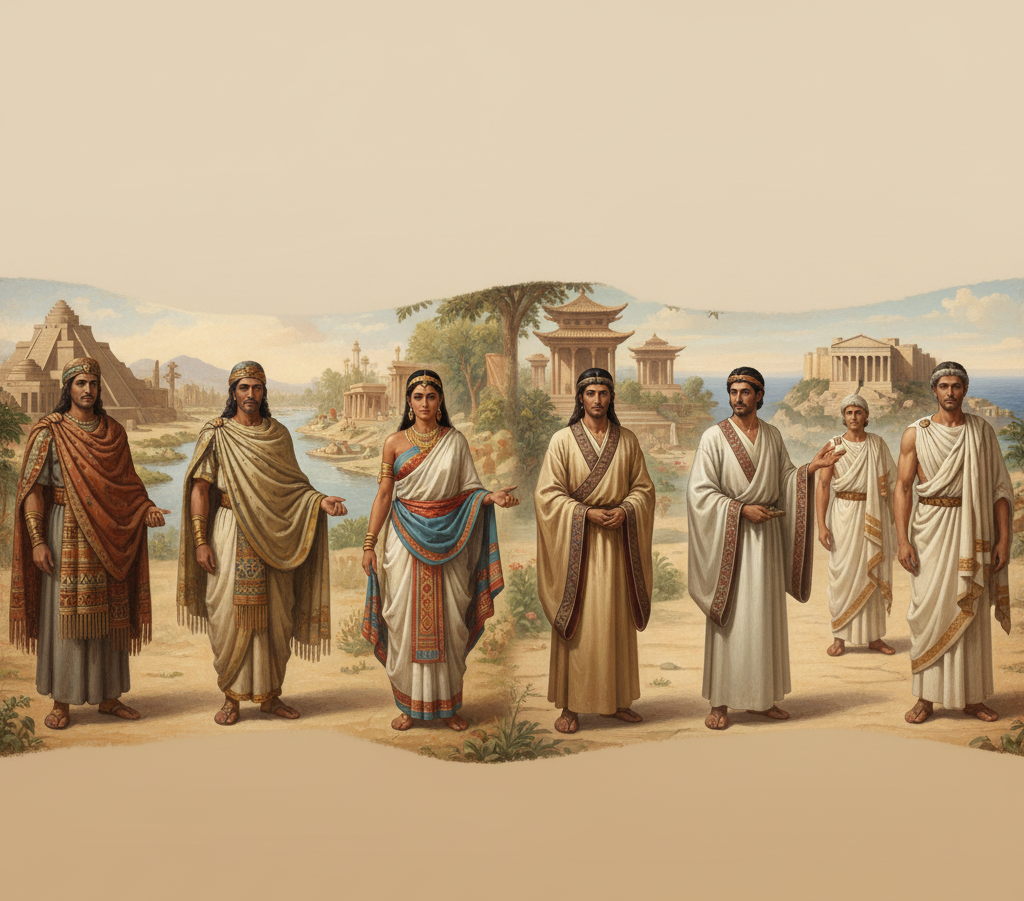
Each civilization — Egypt, Mesopotamia, India, China, Greece, and Rome — contributed unique threads to the global fabric of history. Together, they set the foundation for modern fashion, where craftsmanship, color, and culture intertwine.
In the next part, we’ll journey through the Middle Ages and Renaissance, where clothing became a symbol of class, luxury, and revolution — marking another chapter in the inspiring origin of clothing.
The Middle Ages – Clothing as a Mirror of Class and Faith
During the medieval period, society was divided into classes — nobility, clergy, merchants, and peasants — and the origin of clothing reflected this divide more visibly than ever before.
1. Peasants and Commoners:
They wore practical garments made from coarse wool and linen. Tunics, cloaks, and aprons were common, dyed in natural earth tones for simplicity and durability.
2. Nobility and Royals:
The elite adorned themselves in silk, velvet, and brocade — materials imported through trade with Asia. These clothes were richly embroidered with gold threads, jewels, and pearls, representing wealth and divine favor.
3. Clergy and Religious Orders:
The Church’s influence on fashion was immense. Priests and monks wore robes that symbolized humility and devotion. Colors like black, brown, and white represented purity and restraint.
This was the time when sumptuary laws were introduced — strict rules that dictated who could wear certain fabrics or colors. Only the wealthy could wear fur or purple, further defining fashion as a tool of control and identity.
Best clothing store in tiruvottiyur
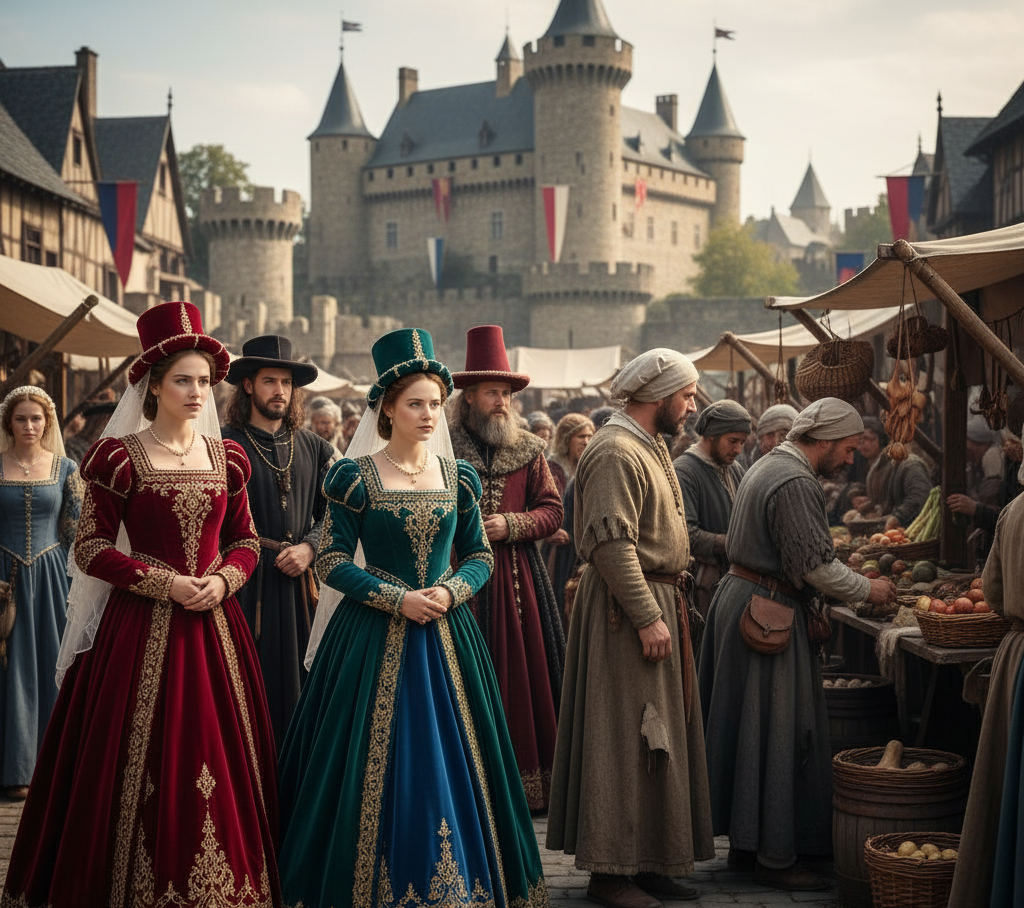
The Role of Women’s Fashion in Medieval Society
The origin of clothing for women in this era reflected both status and morality.
- Noblewomen wore long gowns with fitted bodices and flowing sleeves.
- Veils and head coverings signified modesty and virtue.
- Rich embroidery and jewels denoted family prestige.
The silhouette emphasized elegance and refinement, mirroring the ideals of femininity celebrated by the church and royal courts.
Meanwhile, working women opted for shorter, layered dresses and aprons, suitable for labor but still reflecting regional identity and craftsmanship.
Best clothing store in Tiruvottiyur, Chennai
The Influence of Trade and Exploration
By the 12th century, trade routes such as the Silk Road and maritime routes to India and Africa brought exotic fabrics and dyes to Europe. This global exchange reshaped the origin of clothing, introducing silk, cotton, and luxurious patterns that revolutionized design.
The rise of merchant cities like Venice, Florence, and Constantinople made textiles a booming industry. Clothing became both an economic engine and a cultural bridge, connecting East and West through fabric and art.
The Renaissance – The Rebirth of Fashion and Identity
The Renaissance, meaning “rebirth,” began in the 14th century and redefined the origin of clothing as a reflection of beauty, intellect, and individuality.
Inspired by art, science, and discovery, people began experimenting with colors, patterns, and silhouettes. Tailoring became an art form, and fashion houses began to appear across Europe — particularly in Italy and France.
Renaissance clothing emphasized shape, symmetry, and splendor. Garments were padded, layered, and intricately designed to project confidence and elegance.
Best clothing store in Tiruvottiyur, Chennai
Italian Renaissance – The Artistry of Elegance
In Italy, cities like Florence, Venice, and Milan became fashion capitals. The origin of clothing evolved into a fine art form, influenced by artists such as Leonardo da Vinci and Botticelli, who celebrated the human form and proportion.
Men wore doublets, hose, and ornate coats; women wore fitted gowns with corsets and full skirts made of velvet and satin. Jewels, lace, and embroidery adorned every layer, representing the wealth and culture of Italian nobility.
Color carried symbolic meaning — red for power, gold for prestige, and blue for faith. The upper class competed to display sophistication through fashion, sparking the earliest form of fashion rivalry among elites.
French Renaissance – Birth of the Modern Fashion Industry
In France, fashion became an organized industry under royal influence. King Francis I and later, Queen Catherine de Medici, turned clothing into an expression of national pride.
The French court introduced luxury craftsmanship, giving rise to the country’s reputation as the fashion capital of the world. Tailors, perfumers, and designers began to emerge as respected professions — shaping the modern structure of fashion creation.
The origin of clothing here shifted toward personal expression and cultural leadership, laying the groundwork for centuries of haute couture.
Best clothing store in Tiruvottiyur, Chennai
English Renaissance – Royal Splendor and Symbolism
In England, the Tudor era (especially under Henry VIII and Elizabeth I) brought lavish fashion trends that showcased power and political symbolism.
Men wore broad-shouldered tunics, capes, and padded garments to project authority. Women, inspired by Queen Elizabeth I, wore corsets, ruffs, and richly embroidered gowns — every element symbolizing virtue and control.
The origin of clothing became an extension of royal propaganda, with fashion used to impress allies and intimidate rivals. Even fabrics like velvet and satin became associated with loyalty to the crown.
Best clothing store in Tiruvottiyur, Chennai
Fabrics, Dyes, and Innovation of the Era
Advancements in fabric production defined the period. New textile techniques, including spinning wheels and handlooms, increased quality and availability. Natural dyes made from plants, minerals, and insects added richness and variety:
- Indigo and woad – Deep blues symbolizing royalty.
- Madder root – Warm reds and pinks.
- Saffron and turmeric – Vibrant yellows and golds.
- Cochineal – Crimson red, imported from the New World.
These innovations in fabric and dye expanded the possibilities for fashion, marking a milestone in the origin of clothing as a global art form.
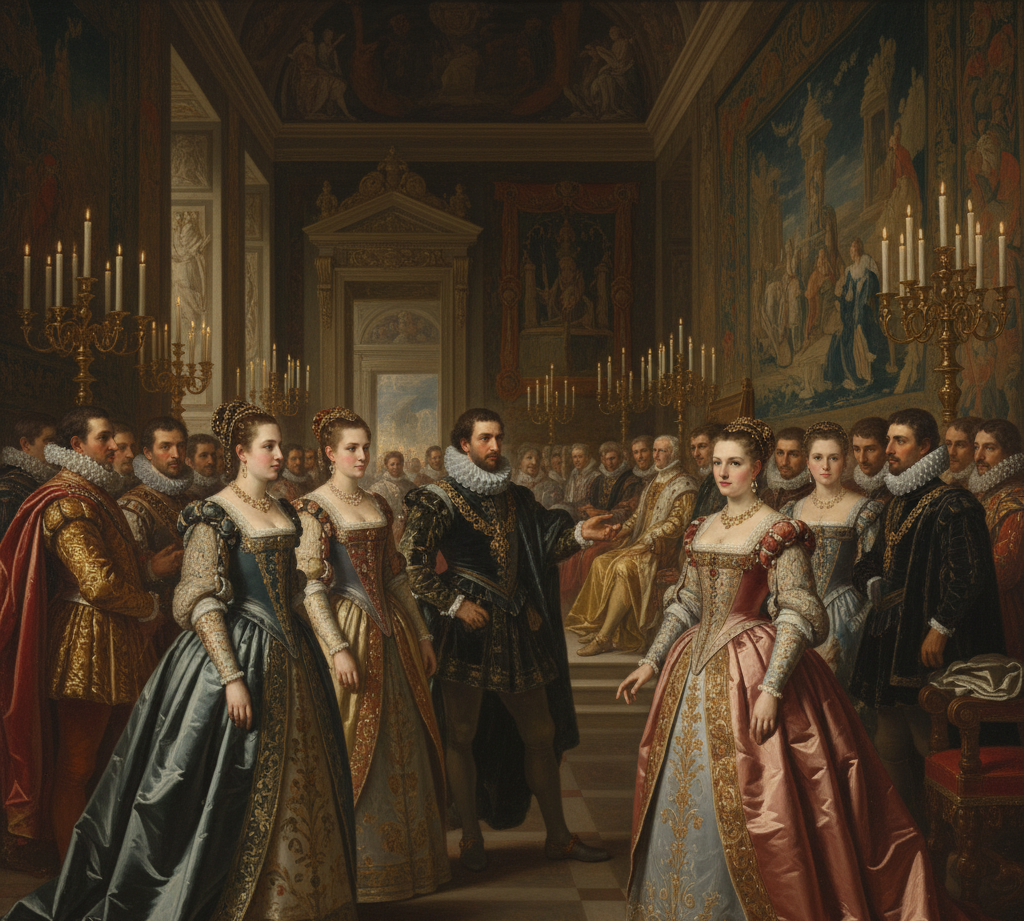
Tailoring and the Birth of Fashion Guilds
During the late medieval and early Renaissance periods, tailoring became a profession. Master tailors, cutters, and seamstresses organized into guilds that set quality standards and protected design secrets.
These guilds represented the professionalization of clothing creation — a key moment in the origin of clothing. Tailors began to design garments for individuals rather than mass use, emphasizing body fit, comfort, and style.
This shift marked the birth of bespoke fashion, a concept that continues in luxury fashion houses today.
The Cultural Power of Clothing in Renaissance Society
The Renaissance redefined fashion as self-expression and art. Paintings of the time — from da Vinci’s Mona Lisa to Raphael’s portraits — immortalized elegant clothing, capturing the cultural pride of the era.
Garments symbolized intellect and creativity as much as wealth. Scholars, artists, and nobles alike used clothing to express personality and ambition.
In this period, the origin of clothing reached new heights — it was no longer just worn but celebrated.
Best clothing store in Tiruvottiyur, Chennai
Conclusion – The Golden Thread of Civilization
From medieval simplicity to Renaissance luxury, this era wove together faith, class, and innovation into a tapestry that defined humanity’s sense of style.
The origin of clothing evolved from necessity into a statement of intellect, pride, and artistry — a true reflection of the human spirit’s desire to create and express.
In the next chapter, we’ll explore Part 4, focusing on The Industrial Revolution and Modernization of Clothing — how invention, mass production, and global trade transformed the way the world dressed.
Best clothing store in Tiruvottiyur, Chennai
FAQs – Part 1: Origin of Clothing
1. What is meant by the origin of clothing?
The term “origin of clothing” refers to the earliest development and use of garments by humans for protection, comfort, and identity.
2. When did humans start wearing clothes?
Archaeological evidence suggests humans began wearing clothes around 100,000 years ago, likely made from animal hides and plant fibers.
3. Why did early humans start using clothes?
Clothing was initially used for survival — protection from harsh weather, terrain, and insects.
4. What were the first materials used for clothing?
Animal skins, leaves, tree bark, grass, and natural fibers were among the first materials.
5. How did the origin of clothing influence human evolution?
It allowed humans to migrate, adapt to different climates, and develop social and cultural identities.
👗 FAQs – Part 2: Ancient Civilizations and the Origin of Clothing
1. What materials did ancient civilizations use for clothing?
Ancient societies used materials like linen, wool, silk, and cotton — each chosen for local climate and resources.
2. How did silk influence global fashion?
Silk, discovered in ancient China, became a luxurious material that sparked international trade through the Silk Road.
3. What role did clothing play in ancient society?
Clothing signified rank, wealth, spirituality, and culture, distinguishing social groups and professions.
4. When did tailoring first appear?
Tailoring emerged around 3000 BCE in early civilizations like Egypt and Mesopotamia, leading to more fitted garments.
5. How did ancient trade influence the origin of clothing?
Textile trade connected civilizations, spreading materials, colors, and styles across continents.
🧵 FAQs – Part 3: The Medieval and Renaissance Evolution in the Origin of Clothing
1. How did the origin of clothing change during the Middle Ages?
Clothing became a symbol of class, religion, and culture, separating nobility from commoners through luxury fabrics and colors.
2. What role did the Renaissance play in clothing history?
The Renaissance transformed fashion into an art form, emphasizing beauty, creativity, and individuality.
3. When did tailoring become a profession?
During the 14th and 15th centuries, tailors formed guilds and specialized in fitted garments.
4. What fabrics were popular during the Renaissance?
Velvet, silk, satin, and brocade were popular among the wealthy, while linen and wool were used by commoners.
5. How did color signify status during this era?
Colors like purple, red, and gold were reserved for royalty and the elite, while muted tones represented modesty and lower class.